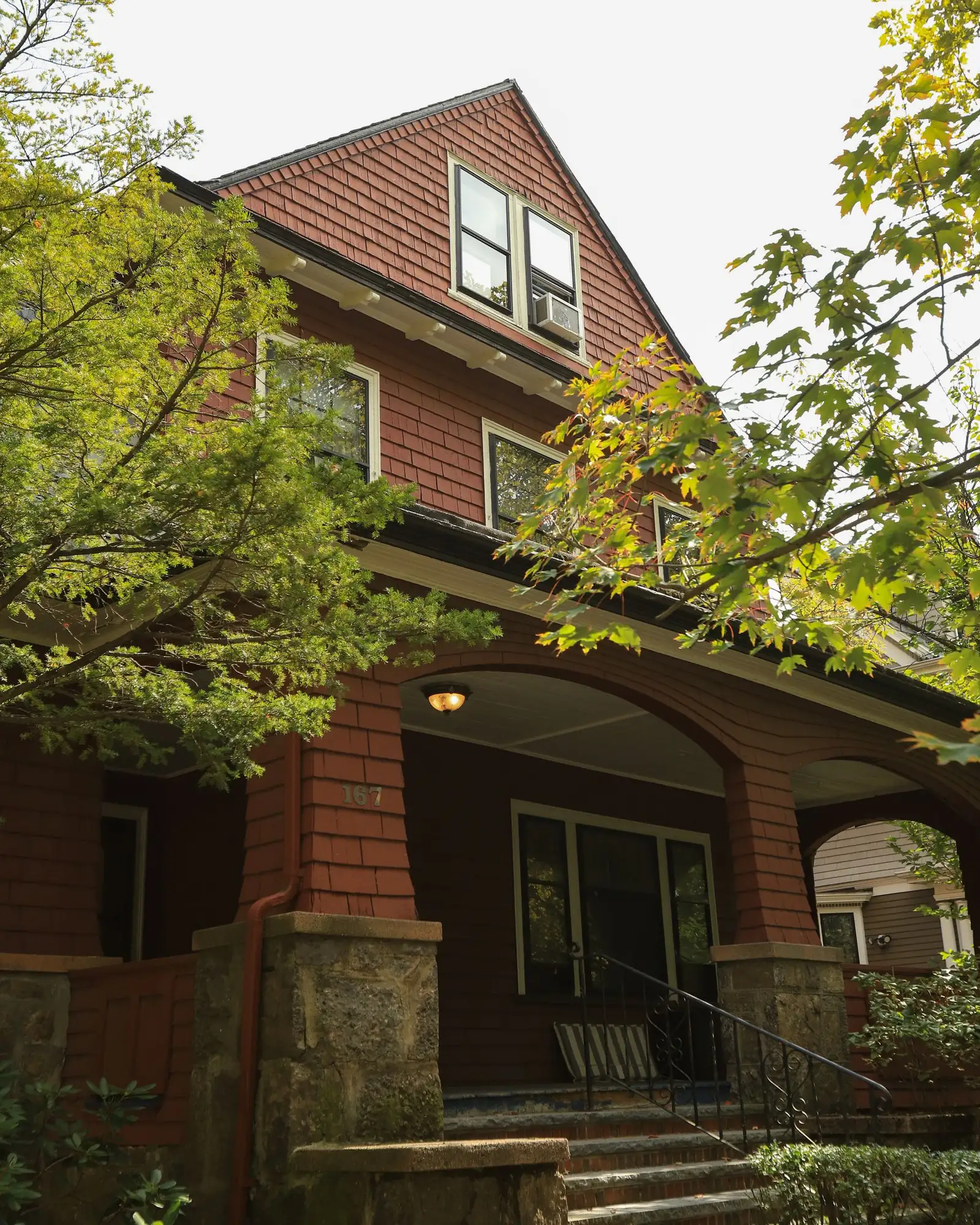
Denver Square, bungalow or ranch: what your home's age says about the chimney
Pre-1940 Denver homes usually have brick chimneys now 85 to 130 years old. Post-war ranches, common in Englewood and Wheat Ridge, usually have brick chimneys with clay flue tiles. Homes from the late 1990s on, typical in Highlands Ranch and Parker, usually have prefab fireplaces in framed chases.
Denver Fireplace & Chimney · October 18, 2026
Why age is a good first clue
Before we climb a ladder, the year a house was built tells us most of what kind of chimney to expect and where it tends to fail. The Census Bureau's American Community Survey (2020–2024) gives the age of the housing in every city we serve, and the differences across the metro are large.
Denver's median home was built in 1975, but the city also has the metro's oldest stock: 16.9 percent of homes, about 61,000, were built in 1939 or earlier, more than twice Colorado's 7.0 percent. Englewood (median 1964) and Wheat Ridge (median 1965) are post-war towns, with 34.8 and 38.4 percent of homes built from 1940 to 1959. At the other end, the median home in Highlands Ranch and Thornton dates to 1997, Broomfield to 2002, and Parker and Lone Tree to 2004.
Before 1940: the Denver Square, cottage and bungalow
DenverUrbanism describes the Denver Square, two stories on a rectangular plan with a hipped roof and a one-story porch, going up after the 1893 Silver Crash, with the smaller 1½-story red-brick Classic Cottage as its cheaper counterpart. Bungalows followed in the early 1900s. These homes have solid brick chimneys, often more than one, built in a city where brick had been the rule since the ordinance passed after the 1863 fire, as Denver7 recounts.
What we tend to find: worn mortar joints, spalled brick at the top, crowns that are thin mortar washes, and flues that are unlined or lined with old clay tile that has cracked. Many of these chimneys were built for coal or wood and later took a gas furnace or water heater vent.
- Repointing typically runs $500–$2,500, and spalled brick replacement $1,000–$3,500.
- Rebuilding the top few courses runs about $1,000–$3,500, a full rebuild above the roofline $5,000–$15,000 or more.
- A stainless liner for a fireplace or stove flue typically costs $1,500–$5,000.
1940s to 1960s: the post-war ranch
The ranch houses that filled Englewood, Wheat Ridge and much of Lakewood and Littleton usually have one brick chimney, often with two flues side by side: one for the fireplace and one for the furnace and water heater. The flues are lined with clay tile, which by now is 60 to 85 years old.
The furnace flue deserves attention. When an old furnace is replaced with a high-efficiency unit that vents out a side wall, the water heater can be left alone in a flue sized for both, where its exhaust cools and condenses. A flue that is oversized or deteriorated can be relined for that water heater or furnace, typically $625–$2,250. On the fireplace side we usually look hardest at the damper (repair typically $150–$450) and the crown.
1990s and later: the prefab fireplace in a chase
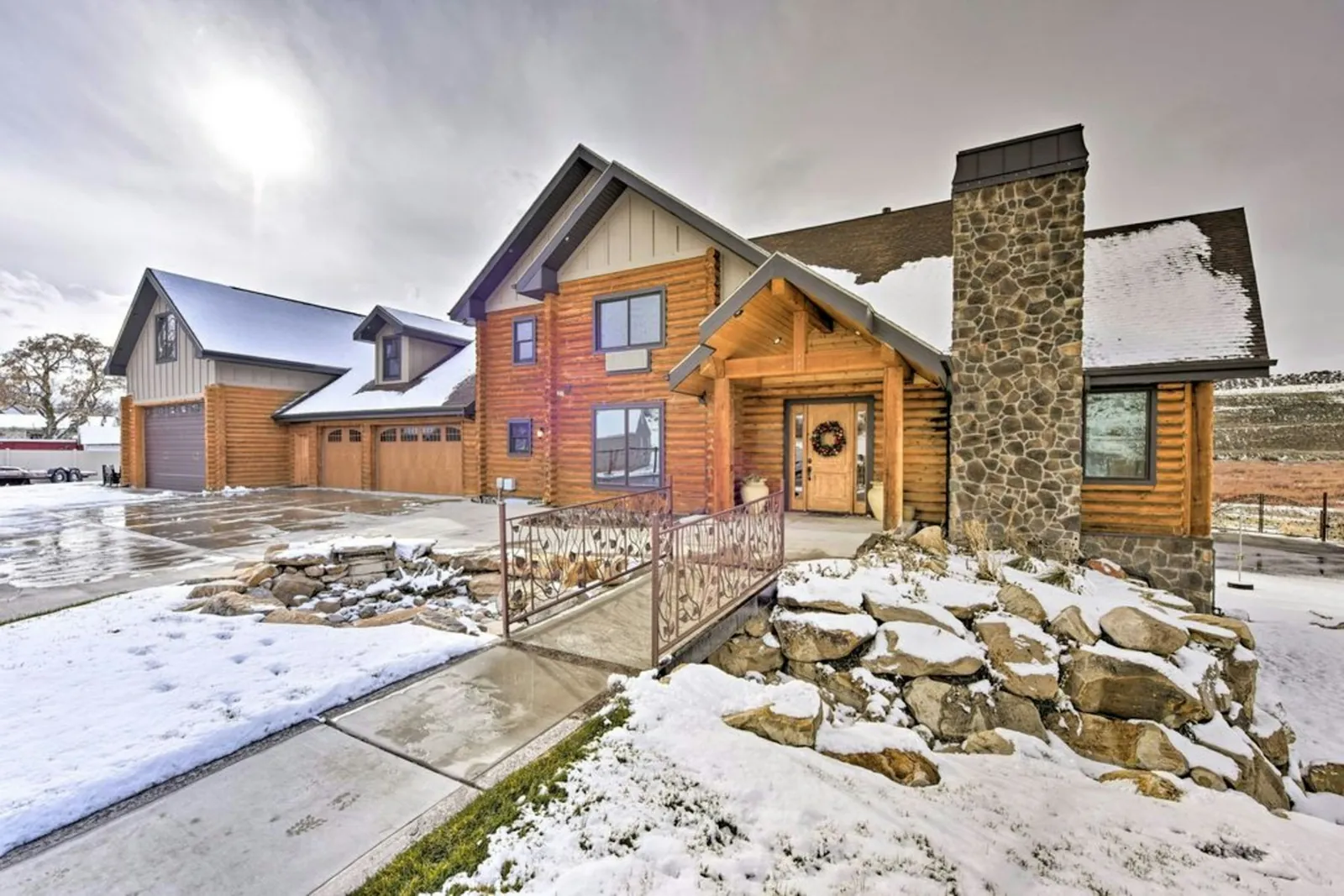
In the newer suburbs, from Highlands Ranch and Parker to Broomfield and Thornton, most fireplaces are factory-built. A metal firebox and a metal flue pipe run up through a wood-framed chase, sided to match the house, with a sheet-metal chase cover on top. Many were built as gas fireplaces or have been converted.
These chimneys don't crack like brick. They rust and leak. Hail dents the chase cover, water pools and rust runs down the siding. The cap gets flattened, and gas units need altitude setup and yearly service. Typical ranges: chase cover $300–$700, cap $250–$850, gas fireplace yearly service $150–$350.
What every age shares
Every home in the metro lives with the same weather: about 135 freeze-thaw days a year in Denver per NOAA normals, hail several days a year per NOAA's National Severe Storms Laboratory, and the state's winter Action Days. Every home with a fireplace or gas appliance also needs carbon monoxide alarms within 15 feet of each bedroom when it is sold (C.R.S. 38-45-102). Age just tells you which part of the chimney will feel it first.
Our inspection is free whatever your home's age. We go top to bottom, photograph what we find and give a written price before any work. We book Sunday to Friday in 3-hour windows.
FAQ
More answers
How do I know if I have a masonry or prefab fireplace?
Look outside. A brick or stone chimney is masonry. A chimney boxed in siding or stucco with a metal top is usually a prefab unit in a framed chase. Inside, prefab fireboxes often have metal edges or panels.
My 1920s Denver home has an unlined chimney. Can I use it?
An unlined or badly cracked flue should be relined before regular use. A stainless liner typically costs $1,500–$5,000, and we check the flue at the free inspection.
Why is my water heater flue a problem after a new furnace?
A high-efficiency furnace often vents out a wall, leaving the water heater alone in a flue sized for two. A furnace or water heater liner typically runs $625–$2,250.
How long does a chimney last?
It depends on how it was built and how well water is kept out. A well-built brick chimney with a sound crown and cap can last a century, as Denver's pre-1940 homes show.
Keep reading
More from the blog
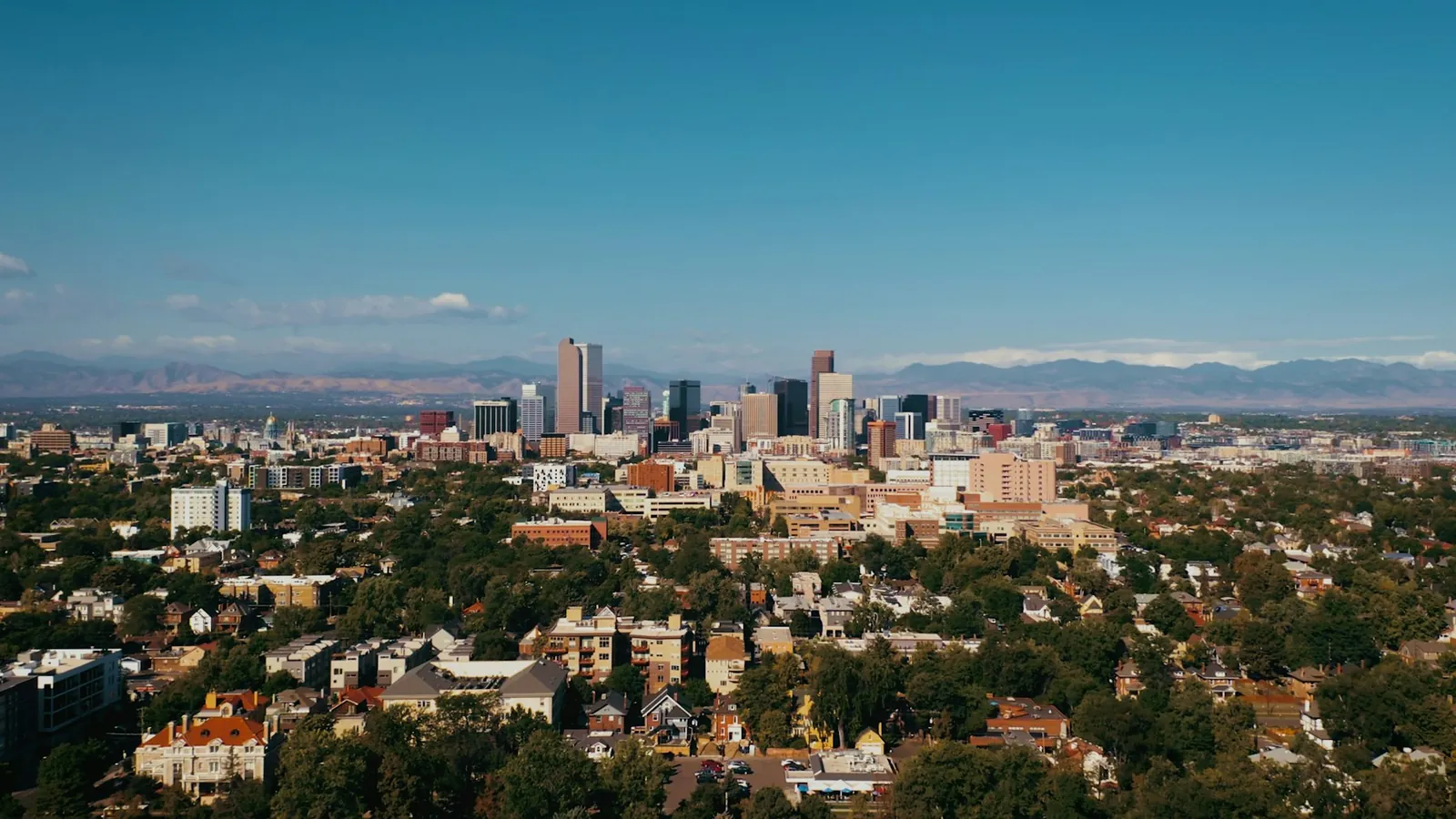 Is today a no-burn day in Denver?Denver no-burn days are called Action Days. How to check the 4 p.m. state forecast, the hotline number, who has to stop burning and what still runs.
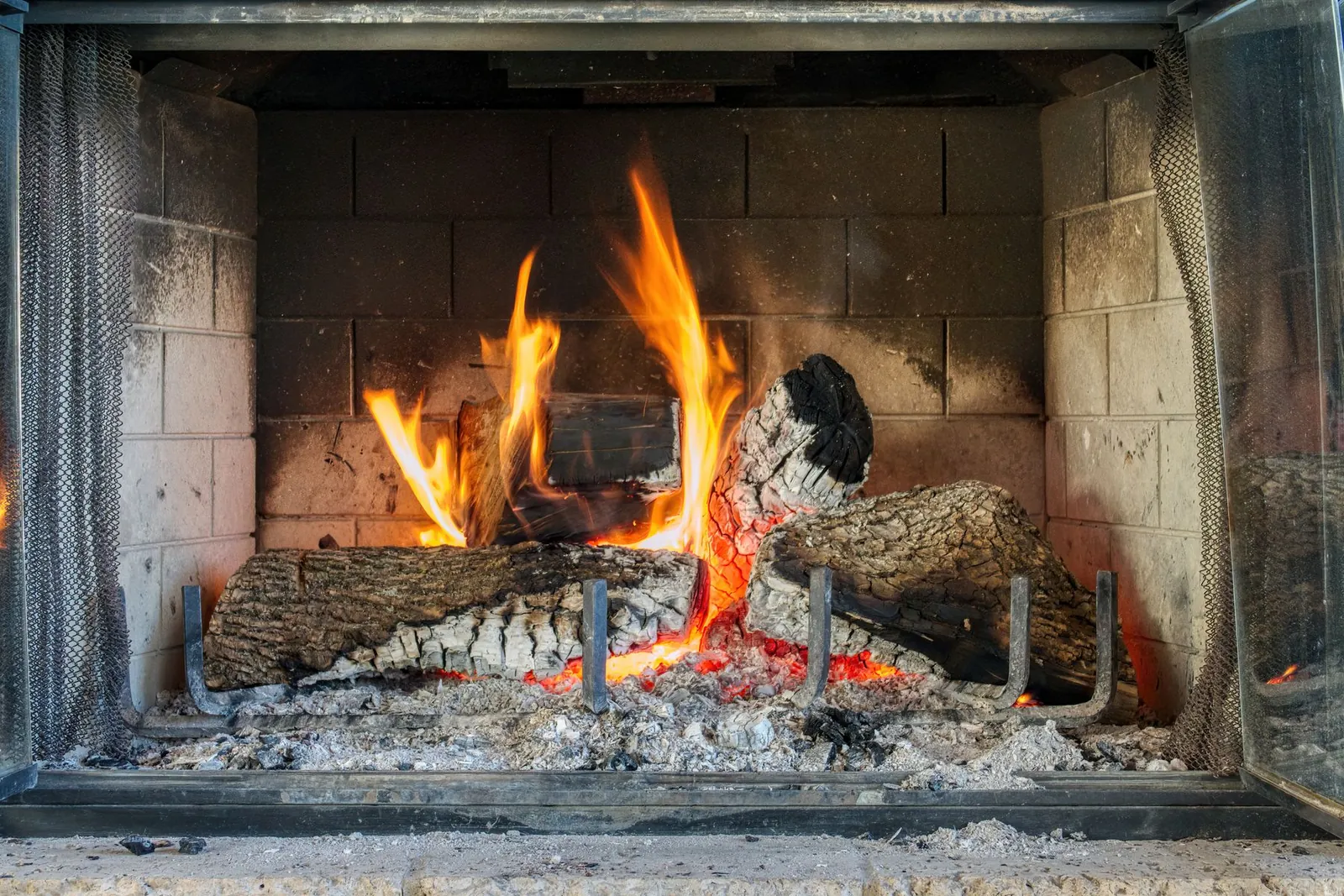 Denver fireplace rules and fines: what the code actually saysBurning on a Denver Action Day carries a $250 minimum fine, up to $2,000 per day. The code sections, what you may burn, and what can be installed.
 Hail hit your roof? Check these 4 chimney partsAfter a Front Range hailstorm, check the chimney cap, chase cover, crown and flashing. What hail damage looks like on each, and how to document it.
Book online
Pick a day. We'll bring a ladder.
Free inspection in a 3-hour window: 8 to 11, 11 to 2, or 2 to 5. We call to confirm before we arrive.