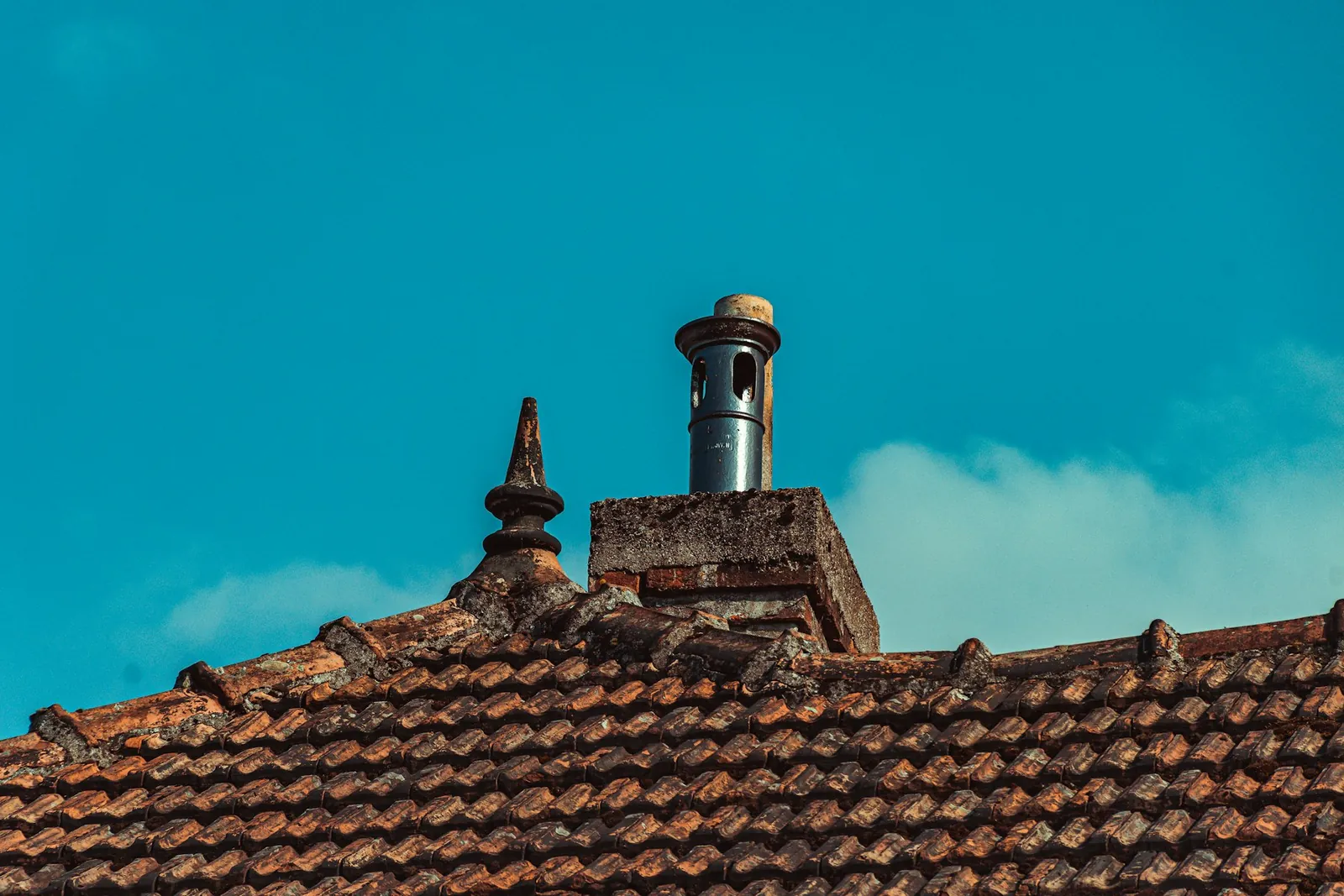
Animal and Nest Removal From Denver Chimneys
Scratching, chirping or a nest dropping onto the damper usually means the chimney has no cap or a damaged one. Removal typically runs $300 to $750, and a new cap $250 to $850.
An open flue is a dry, sheltered shaft with warm air rising through it, which is exactly what a bird, squirrel or raccoon is looking for. Most animals we remove got in through a chimney with no cap at all. In Denver there is a second common way in. Hail flattens cap mesh and punches holes in chase covers, and NOAA's storm laboratory puts the corner where Colorado, Nebraska and Wyoming meet at seven to nine hail days a year.
Please do not light a fire to smoke an animal out. It can trap the animal in the flue, the nest material can catch fire, and you may end up with a dead animal and a smell that lasts for weeks. Close the damper or fireplace doors, keep pets away, and call us. We remove the animal or nest, clean out what it left behind and cap the flue so it does not happen again.
Signs you need this
- Scratching inside the wall beside the fireplace
- Chirping that gets louder at feeding times
- Twigs, leaves or feathers on the damper or hearth
- A strong smell, worst after a warm spell
- Birds flying in and out at the top of the chimney
How we do it
- Find what is thereWe look from the firebox and the roof, tell you what we think is inside and how we plan to get it out.
- Get it outWe use the least harmful method that works, and where we can we let the animal leave on its own before closing the top.
- Clean the flueNest material, droppings and debris come out, and we brush the flue so it is safe to use again.
- Close the way inA stainless cap with mesh, or a repaired chase cover if the animal got in through the chase.
Is a nest in a gas fireplace vent dangerous?
Yes, more than many people expect. Gas heats most homes in the metro, and gas fireplaces and water heaters depend on a clear vent to carry exhaust out. A nest can block that path and push combustion gases, including carbon monoxide, back into the house.
If you hear birds in a gas vent, turn the fireplace off and leave it off until the vent is cleared. Make sure your carbon monoxide alarms work. Colorado law already requires one within 15 feet of each bedroom entrance when a home with a fireplace or gas appliance is sold.
Which cap keeps animals out and stands up to hail?
A stainless steel cap with a full mesh screen on all sides keeps out birds and squirrels, and a sturdy one resists raccoons that try to pull the screen loose. Stainless also holds up better than galvanized steel after the coating gets chipped by hail, because it does not rust through.
For a prefab chimney, the cap sits on a chase cover, and both have to be sound. A rusted or hail-punctured chase cover lets animals into the framed chase around the flue, where they are harder to reach. We check both and price whatever is needed.
What if there are baby birds in the chimney?
Then timing matters. We tell you what we see and the options, which sometimes means waiting a short time for young birds to leave before we clean and cap. We will not seal an animal inside a chimney.
FAQ
Animal Removal questions
How much does chimney animal removal cost?
Removing the animal or nest typically runs $300 to $750. A new cap, if you need one, typically runs $250 to $850. You get the price in writing at the free inspection.
Can I just close the damper and wait?
Closing the damper keeps the animal out of the room, which is the right first step. It does not get the animal or nest out, and a dead animal or blocked flue becomes a bigger problem later.
How did a raccoon get past my cap?
Usually the cap was loose, the mesh was bent by hail, or the screen was too light to resist pulling. We replace it with a stronger cap fastened properly to the flue.
Do you remove animals from dryer vents or attics?
We work on chimneys, fireplace flues and the vents of gas fireplaces and stoves. For animals in the attic or walls away from the chimney, a wildlife company is the better call.
Will the smell go away?
Once the animal, nest and droppings are out and the flue is cleaned, the smell usually fades within days. If it lingers, there may be debris on the smoke shelf, and we check that.
Related
Cleaning, inspections and smoke
Book online
Pick a day. We'll bring a ladder.
Free inspection in a 3-hour window: 8 to 11, 11 to 2, or 2 to 5. We call to confirm before we arrive.