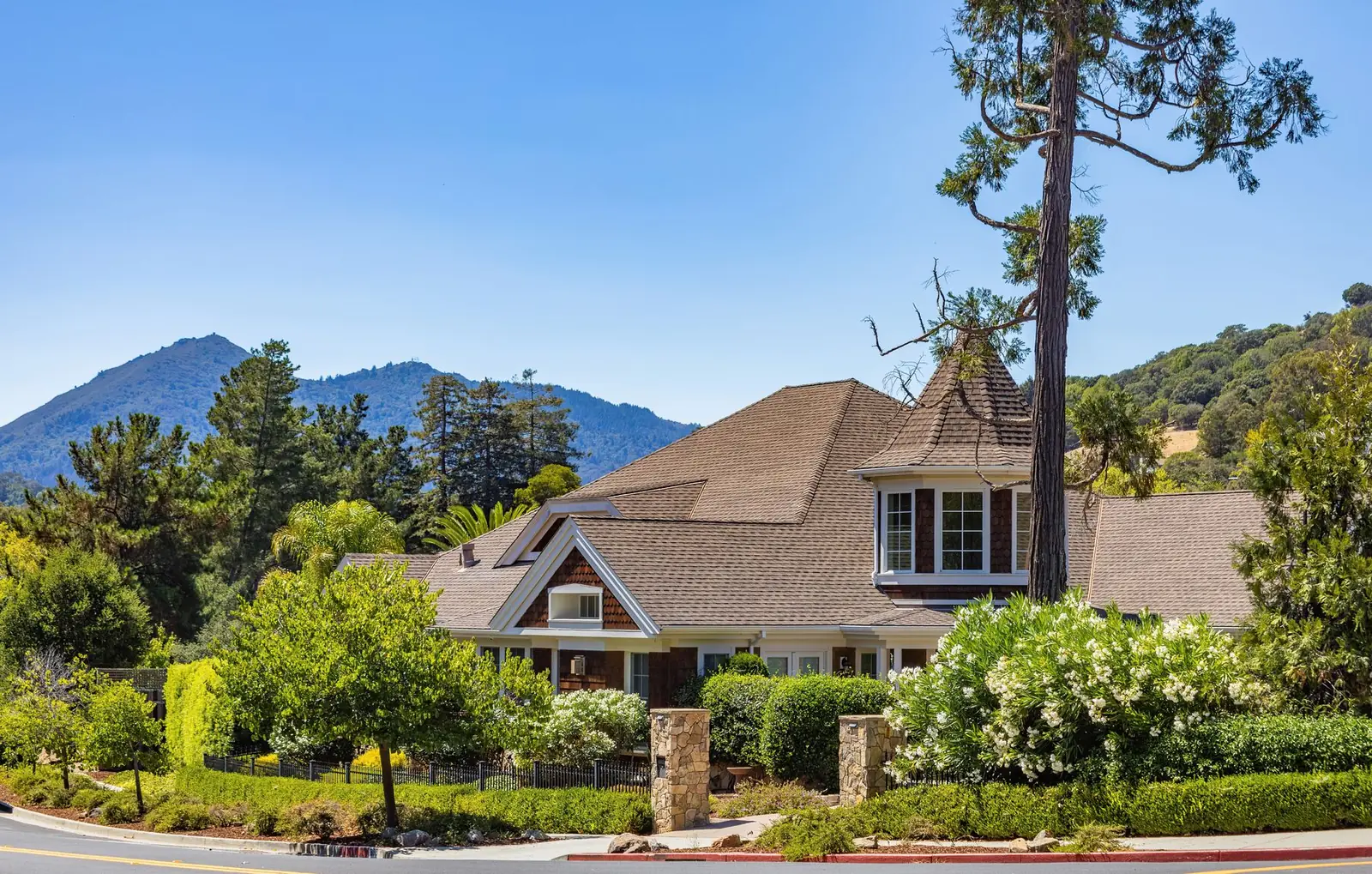
Fireplace and chimney service in Boulder
Boulder gets almost twice Denver's snow, limits new installs to gas, electric or certified wood, and reviews every exterior change in its historic districts.
Boulder was settled in 1858 and incorporated in 1871, and its oldest streets, around Mapleton Hill, Whittier and University Hill, still have the brick chimneys to show it. The Census Bureau's 2024 survey puts 7.5 percent of Boulder's homes before 1940 and about 37 percent in the 1960s and 1970s, the era of much of Martin Acres and Table Mesa. Only about 39 percent of Boulder homes are detached houses, so a lot of our work here is gas fireplaces in condos and townhomes.
Boulder's weather is hard on chimneys. NOAA's 1991 to 2020 normals give the city 92.8 inches of snow a year, nearly double Denver-Stapleton's 49, and about 125 freeze-thaw days. Snow piled against the uphill side of a chimney melts into the flashing and the crown, and that is where most of the leaks we find in Boulder start. At the free inspection we check from the roof and from inside, take photos and write down every price first.
Boulder's rules for new fireplaces and stoves
Boulder's building code, as a city plans examiner has quoted it, allows no permit for a wood stove, fireplace stove or insert unless it fully meets emissions testing, certification and labeling requirements. Boulder County's own summary of the state rules is shorter: any fireplace installed in a home must be gas, electric, a certified wood stove or insert, or an approved pellet stove or insert. Since May 15, 2020, every new wood stove sold or installed in Colorado must meet the EPA's 2015 Step 2 standard.
For an old open fireplace, the usual choices are a gas insert, typically $2,000 to $8,000, gas logs at $500 to $2,000, or an EPA wood insert with liner at $3,000 to $7,000. Each of those can be used on winter Action Days, which apply in Boulder from November through March.
Chimneys in Boulder's historic districts
Boulder has 10 historic districts, among them Mapleton Hill, Chautauqua and Downtown, and Floral Park was the first, designated in 1978. The city says every exterior change to an individual landmark or a property in a historic district needs review through a Landmark Alteration Certificate. That includes chimney work you can see from outside.
There is help with the cost: a state tax credit of 20 percent of rehabilitation costs, up to $100,000 per property, for local landmarks and contributing buildings. We photograph and describe the planned work so you can apply, and we match brick and mortar on older chimneys.
Where we work in Boulder
Mapleton Hill · Whittier · Goss-Grove · University Hill · Chautauqua · Newlands · North Boulder · Martin Acres · Table Mesa · Gunbarrel
FAQ
Boulder chimney questions
Do I need city approval to repair the chimney on my Mapleton Hill house?
Boulder requires a Landmark Alteration Certificate for every exterior change to a landmark or a house in a historic district. We give you photos and a written description of the work to support the application.
Can I install a wood stove in Boulder?
Only a certified one. New wood stoves in Colorado must meet the EPA's 2015 Step 2 standard, and Boulder won't permit a stove or insert that doesn't meet emissions certification. A wood stove install typically runs $3,000 to $8,000.
Why does my chimney leak only after a big snow?
Snow builds up against the chimney, then melts into cracked crowns, worn flashing or open mortar joints. Leak repair typically runs $300 to $2,500 and new flashing $300 to $1,800. We find the source at the free inspection.
When can you come to Boulder?
We book Sunday through Friday in 3-hour windows: 8 to 11, 11 to 2 or 2 to 5. We call ahead to confirm. We are closed Saturday.
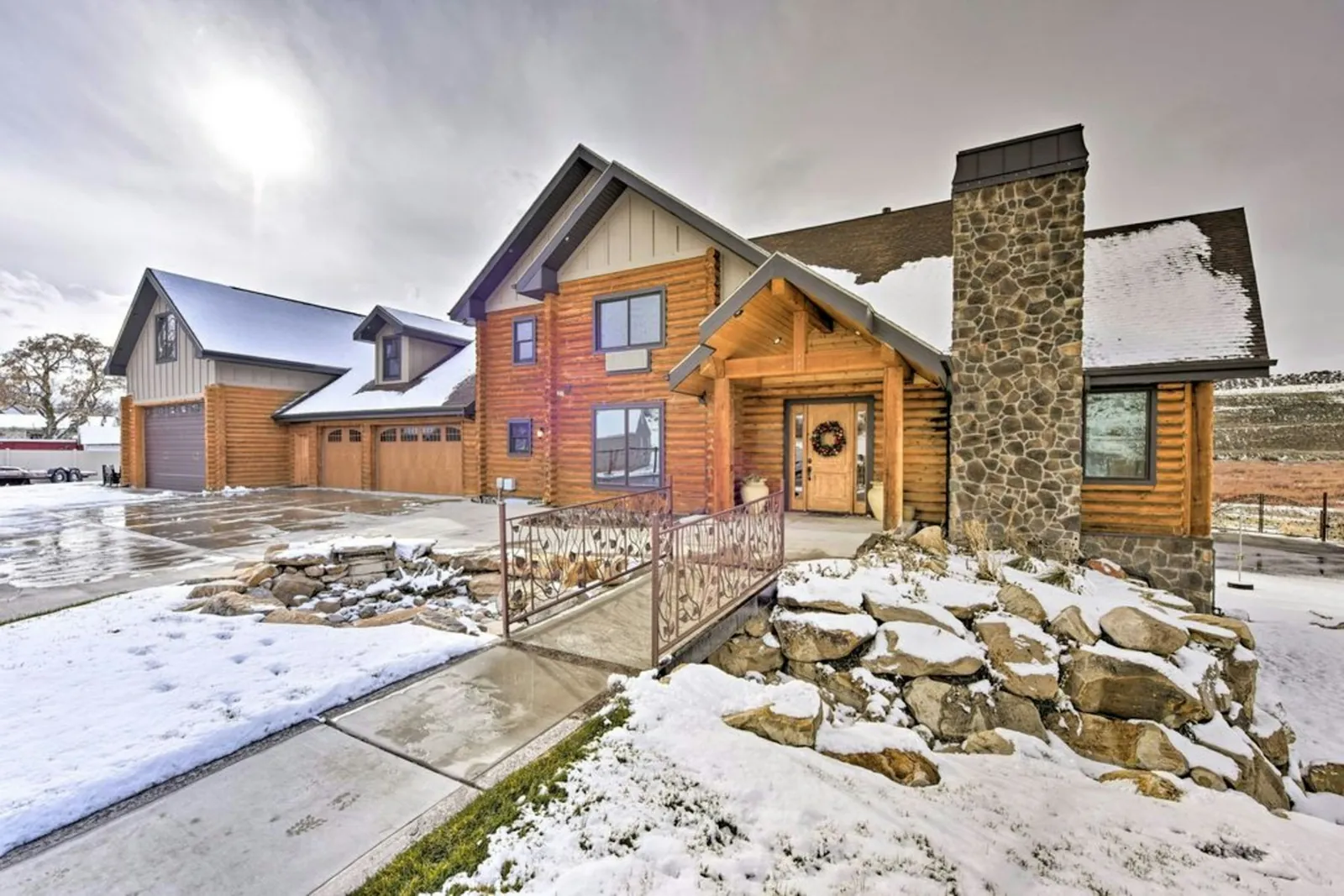
Book online
Book in Boulder. The inspection is free.
Free inspection in a 3-hour window: 8 to 11, 11 to 2, or 2 to 5. We call to confirm before we arrive.